Lifestyle
Small changes you make now result in bigger outcomes
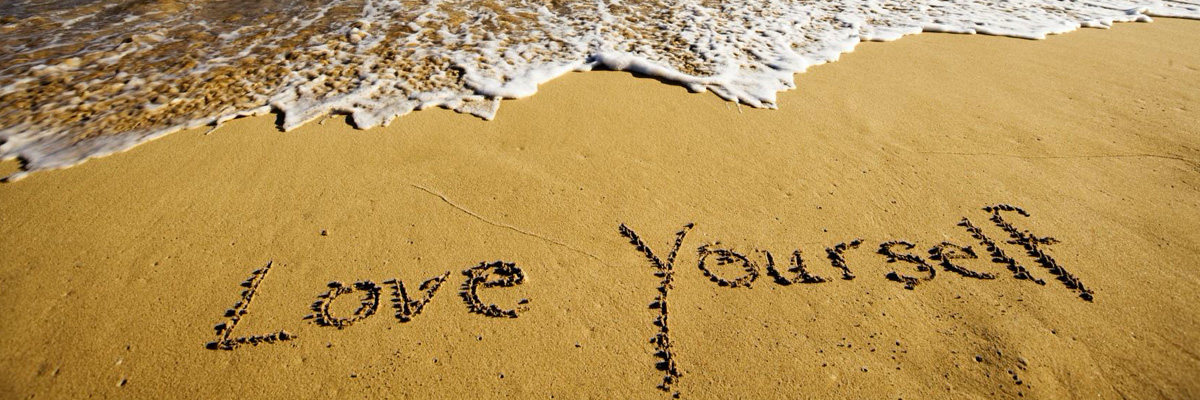
I view intermittent fasting as a lifestyle, not a diet, and that includes making healthy food choices whenever you do eat.
Also, proper nutrition becomes even more important when fasting, so you really want to address your food choices before you try fasting.
This includes minimizing carbs and replacing them with healthful fats, like coconut oil, olive oil, olives, butter, eggs, avocados, and nuts. It typically takes several weeks to shift into this mode, but once you do, your cravings for unhealthy foods and carbs will automatically disappear. This is because you're now actually able to burn your stored fat and don't have to rely on new fast-burning carbs for fuel.
Health care practitioners across the board are so afraid to recommend eating less because of the stigma involved in that recommendation, but we are more than happy to recommend that someone start going to the gym. If all I said was you need to get to the gym and start eating healthier, no one would have a problem with it. When the message is not only should you eat less, you could probably go without eating for 24 hours once or twice a week, suddenly it's heresy.
As with anything health related, I took many peoples advice and weighed it up with my own logic and feelings from both gut and heart.
I knew I wanted to start, and was going to at least experiment with everything until I found a balance.
That part of journey alone, the part of experimenting, of finding out what works for you and what doesn't, is a subconscious reward, as you are allowing yourself to gage your progress, you can take your time doing it, and knowing that you are at least doing something makes you feel better about yourself.
Along with experimenting food types and eating patterns, research and knowledge building is what I also found most rewarding. I mean, why only put your body into shape when you can to so for your mind too. So I have done a ton of research!
Aside from removing your cravings for sugar and snack foods and turning you into an efficient fat-burning machine, thereby making it far easier to maintain a healthy body weight, there are many other good reasons to fast intermittently. For example, my research has shown that fasting triggered a 1,300 percent rise of human growth hormone (HGH) in women, and an astounding 2,000 percent in men.
HGH, human growth hormone, commonly referred to as "the fitness hormone," plays an important role in maintaining health, fitness and longevity, including promotion of muscle growth, and boosting fat loss by revving up your metabolism. The fact that it helps build muscle while simultaneously promoting fat loss explains why HGH helps you lose weight without sacrificing muscle mass, and why even athletes can benefit from the practice (as long as they don't over-train and are careful about their nutrition). The only other thing that can compete in terms of dramatically boosting HGH levels is high-intensity interval training.
Other health benefits of intermittent fasting include:
- Normalizing your insulin and leptin sensitivity, which is key for optimal health
- Improving biomarkers of disease
- Normalizing ghrelin levels, also known as "the hunger hormone"
- Reducing inflammation and lessening free radical damage
- Lowering triglyceride levels
- Preserving memory functioning and learning
Some of MY PERSONAL advice (what I practice)
Step 1 – Snip
Cut your carbs and your sugar completely for 2 full weeks.
You need to get all the insulin out of your cells and reduce any insulin resistance you might have, which we kinda all do, as we lead such 'heavy carb/sugar' diets and we eat constantly either 3 times or 6 days a day.
Step 2 - Measure
Go and buy a digital scale, and take your weight and measurements. Make sure you get a scale that measures body fat and water percentages. These can cost you R1000, but are beneficial to understanding your body composition.
You will need to weigh in daily, before you shower, right after waking up. If you're not already in your birthday suit (you're not? Do yourself a favour and research the health benefits of sleeping naked), drop the clothes and take that reading.
A daily pattern is the crucial key here, so that you can start to document your weight loss heartbeat.
Step 3 – Plan
Plan what you going to eat the next day that night. You do not have to have a meal weight plan (although this might come in later), just have a game plan so that you're not on the back foot. You have to spend more time in the kitchen, and this process helps you with that.
Whilst planning, keep biltong, nuts, and/or 1 fruit (like banana, apple or handful of berries - No, not for a G&T, but to eat) in mind.
Nuts should be a good tree nut selection - nuts get packed into your bag to 'break your fast'. The importance of this are summed up in videos in the Fasting and Eating sections of this site.
Step 4 - Educate
I subscribed to and downloaded Dr Eric Berg and Thomas DeLauer on YouTube and started listening to them on their knowledge on intermittent fasting, and key words like Keto, Autophagy, Stem Cell Renewal, and as they have many 10 min videos, its easy to catch up in your lunch break.
All of this is done before you begin your actual fasting. You want to give your body the best chance and be in a favourale condition to hit ketosis.
After 2 weeks, you'll start your fasting regime
I really recommend you take note on the advice given on "Beginners for IF",
https://youtu.be/QKqcEb9tj_k
and also "what happens to your body when you fast"
https://youtu.be/vhmtoAYVRSo
Starting on the Sunday, from the last time you finished supper, (this is where fasting is great, as there are no hard rules as to when you start, as long as you achieve the fasting time period you set out to do.
I started with 16 hrs, which is easier to fit it into your lifestyle.
Let's say you ate your last meal on Sunday evening around 7pm, you will then fast until 11am on Monday morning, and then repeat that cycle EVERY DAY . 7 days a week.
Essentially, you are skipping breakfast, and half the fast is already taken care of while you sleep. This gives you 16hrs of fasting.
So, this left me with an 8hr window to consume food again before the next start.
During my 8 hr eating window:
To break my fast, I have something very small, like just a small portion of nuts, at 11 maybe, and then I'll stretch to whenever I actually feel hungry. Do not put a time to it, listen to your body!
You only have 2 meals for that day, and NO SNACKING in between.
Either have big lunch and small dinner or visa versa. This depends on your meal plan you worked out the night before.
Remember: No starch.
You will get thirsty!
During your fast you can drink:
- black coffee
- salted water (with a bit of pink salt for some electrolytes)
- just plain water
- green teas, (plain and flavored)
- milk
- sugars
- honeys etc
You will start tasting a funny taste in your mouth sometimes, which is when ketosis takes place.
** read/listen to Eric or Thomas what this is about it's completely natural, and sugar free gum is ok to chew go get rid of this taste.
When you hit ketosis, your breath will also start to smell a bit. You me be blissfully unaware of this, so keep a breath mint or gum close by for when its needed.
After doing this for two months, you can advance to a 36hr fast twice a month.
A 36hr fast, as an example, will begin at 7pm Sunday and end at 7am Tuesday morning.
The benefits of a longer fast?
Benefits of different fasts:
https://youtu.be/vhmtoAYVRSo
Another nice link on Keto eating, how to start, and understanding it:
https://youtu.be/ZY0_GoROp6I
Just know, that by this stage, you should be comfortable - if not eager - to try this out. Once the 36hr fast is done and dusted, you can bookmark time for the 50 and 72 hour fast too. Oh, and pat yourself on the back.
Small results make big results
My tips
- Weighing daily keeps you focused on what weight you lost or gained. This will actually motivate you. You cannot leave it and only 'feel by your clothes' to determine your success. You've worked very hard that day to achieve being “good”, so weigh to see. Small results make big results.
- Documents your weight – let your partner take photo's so you can visually see how you doing in your progress,
- Support structure – let your partner know and understand what you about to do, if they do not understand fasting or your eating plan let them watch the videos with you to understand and support you,
- Cheat days – if you have had a cheat meal or cheat day, FIX IT THE NEXT DAY. This is the magic of now following this lifestyle, you either fast for longer the next day or just have one meal but you can then 'even your wrong' that next day or over 2 days and you carry on. This is what it is all about by being consistent, and by keeping the 90/10 rule. That does not mean you can buy into the culture of having one cheat day a week otherwise that also becomes habit forming.
- Listen to your body, if you feel like that or you know you're going to a good dinner then use that as your downtime
- Take day by day and meal to meal
- Take your weight loss in increments if you at 95 then say this month I'm going to lose 5 kg to get to 90 and then break that up in weeks and days in how much you need to lose a day . that is how you will manage this,
- Vitamins and minerals
Always take a very good multi vitamin in general, (you will not lack anything, but I generally take them)- Good multi vitamin
- Magnesium
- Vit D and vit K2
- Probiotic
- Vit C 1000 mg
The above was just for myself to always have a good and strong immune system
You can decide whether you want to take vitamins, in fact healthier eating and IF self-heals your body on its own accord, but I feel that this works for me.
Check in with people close to you if you feel down. Remember, this is your journey. Celebrate your body!
this is the start of yourself finally getting to grips with weight and understanding food, your body and how it works.
That is what intermittent fasting does, it teaches you discipline over your mind and it helps you take control over your emotions.
Marilyn